
Home > China
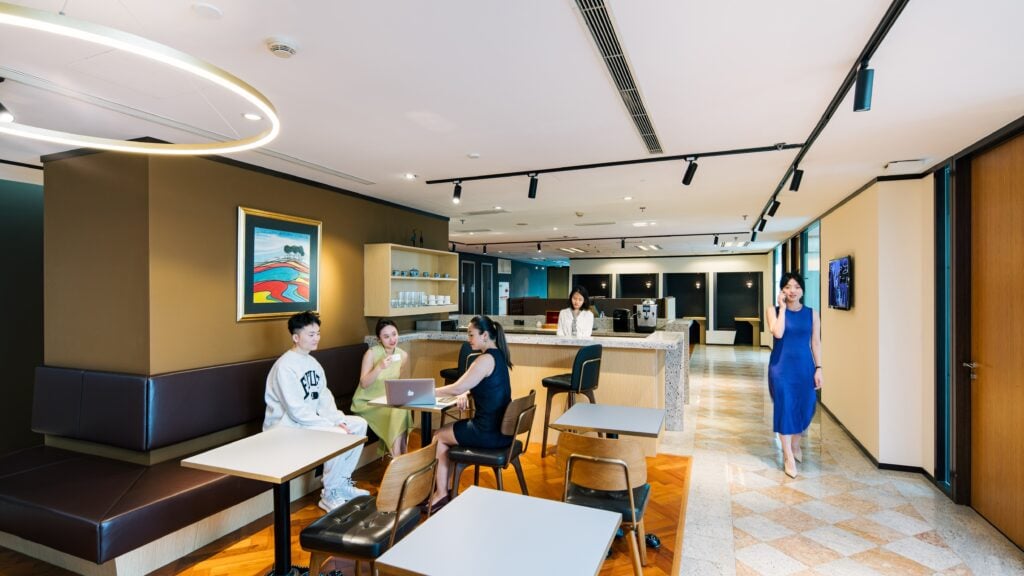
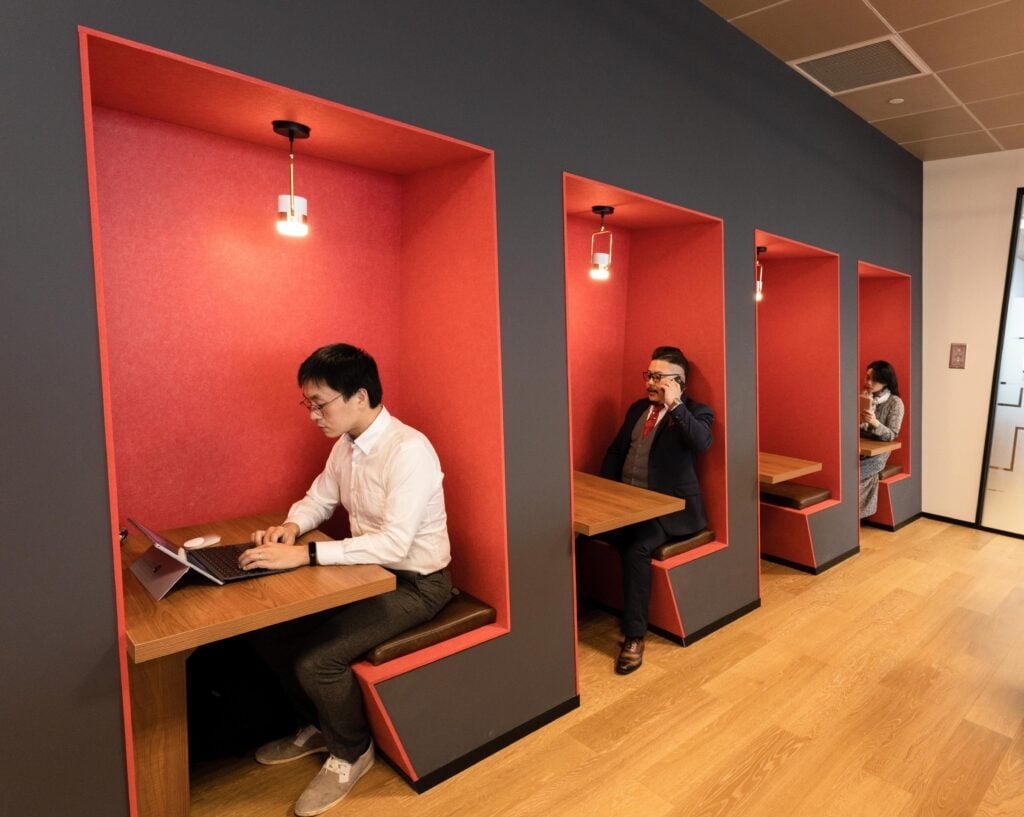



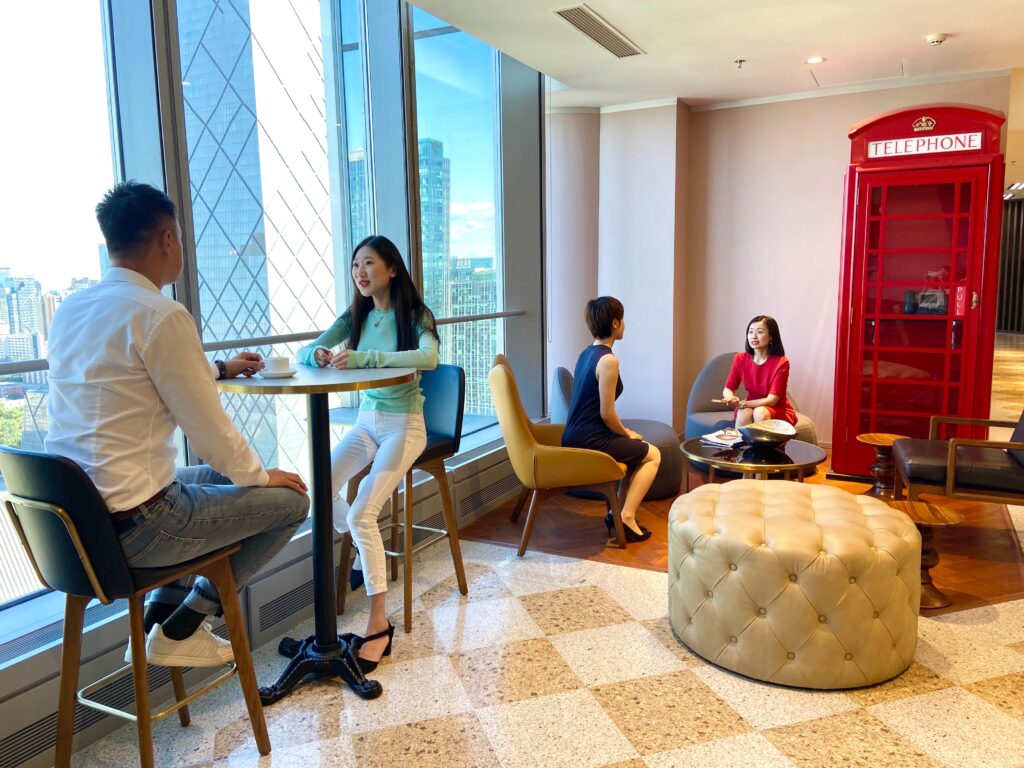

China is a critical gateway market for businesses seeking scale in Asia, offering global connectivity, large domestic demand and a diverse set of commercial centres. A local virtual office address in China adds credibility with clients and partners, and companies commonly establish virtual presences across major cities to cover different regions and time zones.
• China has the world’s second-largest economy with a broad manufacturing base, deep consumer markets and rapidly growing services and technology sectors, creating strong demand for local business addresses and support services.
• Key sectors driving demand include finance and banking, technology and internet services, international trade and logistics, professional services and e-commerce.
• A local virtual office matters here because it provides credibility with Chinese customers and partners, can simplify local communications and logistics, helps with time-zone coverage across Asia, and in some cases supports initial regulatory or compliance needs when combined with local support services.
• Prestigious business addresses in major cities — central business districts in Beijing, Shanghai, Shenzhen and other hubs.
• Mail handling and forwarding (local and international) — sorting, scanning and forwarding options to suit remote teams.
• Local phone numbers and call answering (where available) — PBX, local DID numbers, and receptionist services in key centres.
• On-demand meeting rooms and day offices — hourly or daily access to meeting space and private rooms in business centres.
• Company registration and compliance support (where applicable) — liaison services, local nominee or agent introductions, and guidance on business licensing when providers offer expanded corporate services.
• Beijing — the political and administrative capital, home to government agencies, state-owned enterprise headquarters and many professional services firms.
• Shanghai — China’s financial hub and international trading gateway, ideal for finance, corporate HQs and multinational offices.
• Shenzhen — a technology and innovation centre with a strong startup and hardware ecosystem, popular for tech and supply-chain companies.
• Guangzhou — a major trading and manufacturing gateway to southern China, with strong ties to export logistics and commerce.
• Chengdu — a fast-growing regional centre in western China, attractive for software, services and regional operations with lower cost base.
• International companies entering China who need a credible local presence before committing to a physical lease.
• Startups and freelancers seeking a professional business address and local communications without high overheads.
• Remote teams headquartered abroad that require local mail, phone services and occasional meeting space for visiting staff.
• Established firms expanding into additional Chinese cities that want a low-risk way to test markets and maintain multi-city coverage.
• Compare locations, services and pricing across cities — central districts command higher prestige and cost, while secondary business parks can be more economical.
• Check address prestige, provider credibility and service flexibility — review contract terms for mail handling, meeting-room access, cancellation policies and any minimum commitments.
• Note that listings on VirtualOffice.com make it easy to compare virtual offices across China side by side, with provider details, amenities and pricing to help you choose the right fit.
• What is the typical pricing range for virtual offices in China? Pricing varies by city and address prestige — expect basic mail-and-address packages from a low monthly fee in secondary cities to higher monthly rates in prime Shanghai or Beijing addresses; meeting rooms and telephone services are usually add-ons.
• What services are usually included? Most packages include a professional business address, mail receipt and basic forwarding or scanning; call answering, local phone numbers, meeting-room access and company support services are commonly available as paid options.
• Can I register a company at a virtual address in China? Rules vary by city and the type of business. Some jurisdictions allow company registration at serviced office addresses if the provider supports it and local regulations are met; always confirm with the provider and local authorities before relying on a virtual address for formal registration.
• How is mail handled and can it be forwarded internationally? Providers normally offer mail collection, scanning and local or international forwarding for an additional fee; check dispatch schedules, customs requirements and declared value procedures for international shipments.
• How do providers verify addresses and prevent misuse? Reputable providers perform identity checks, require documentation for account setup, and maintain tenant records; listings on VirtualOffice.com include provider credentials and reviews to help you evaluate trustworthiness.
For a side-by-side comparison of options, available services and up-to-date pricing, search VirtualOffice.com to find verified virtual office solutions across China.
Expand your network with more cities
Expand more virtual addresses in Sydney
Virtual office – Tower One Barangaroo
Virtual office – Westfield Tower 2
Virtual office – Parramatta Square
Virtual office – Market Street
Virtual office – 100 Mount Street
Virtual office – 25 Martin Place
Virtual office – Nexus Norwest
Virtual office – Chifley Tower
Virtual office – Gateway
Virtual office – Avaya House
Read our helpful guides
What is a virtual assistant?
How a virtual receptionist works
How to enhance your global profile
How to get a virtual address
How to register your company
What is a virtual office?
How much does an address cost?
Should you get a virtual or serviced office?
Browse popular virtual office services
Rest a virtual address
Get phone answering services
Virtual assistant services
List of virtual office prices
Mail forwarding services
Virtual Offices
Our Network Coworking Rabbit